
How to Find Your Septic Tank
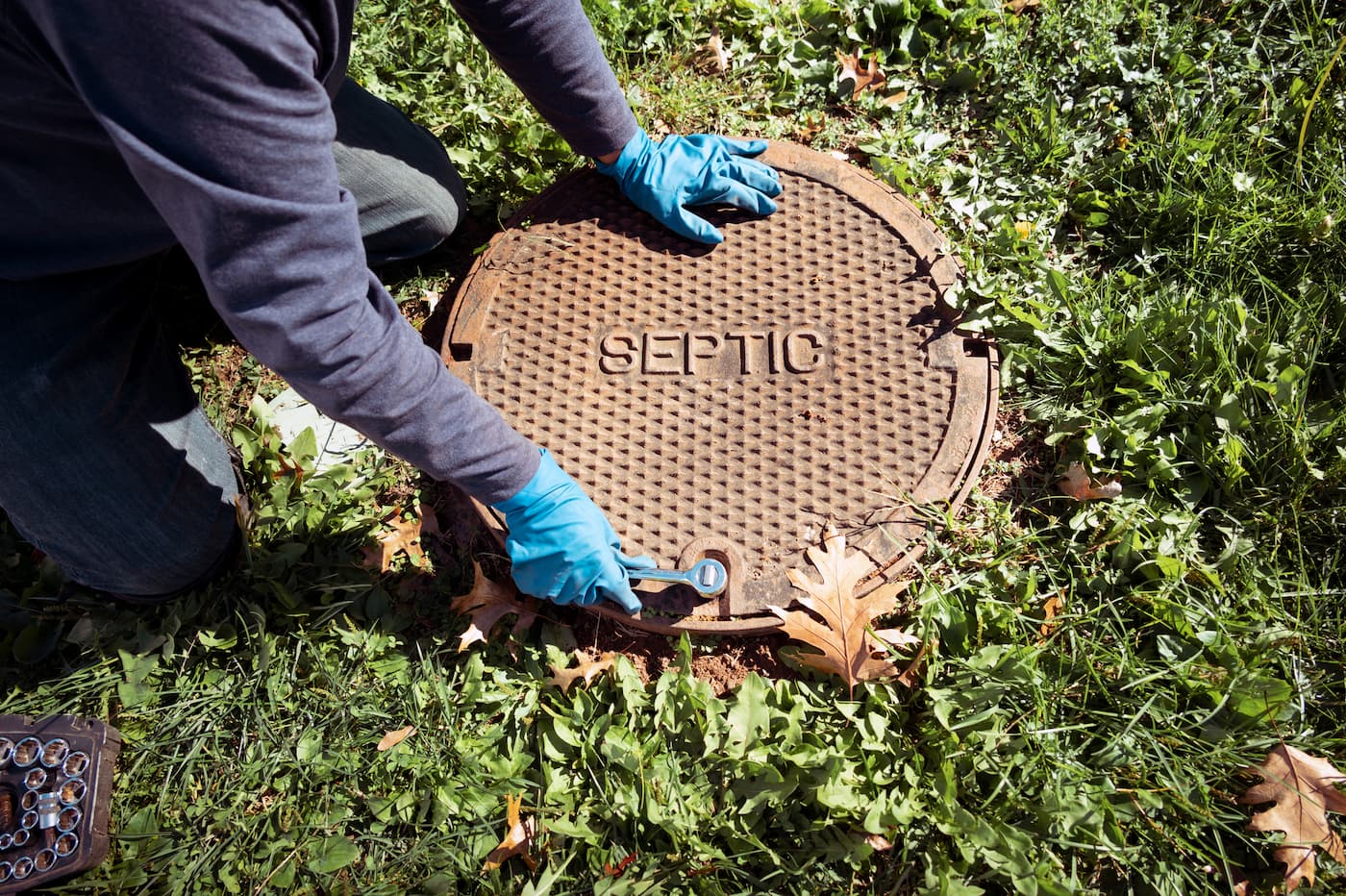

A big part of homeownership is becoming familiar with everything on your property, including your septic system. However, when it comes time to locate your septic tank, septic tank lid, and leach field, you might not know where to start. Hopefully, your septic system has exposed access risers, making the process easy, but if it doesn’t, it may be more difficult to locate.
That’s why we’ve put together this helpful guide designed to provide you with some best practices for finding your septic tank. Once you become familiar with where your system is located, it will allow you to keep your household safe, take better care of the system day-to-day, and more easily schedule routine inspections and maintenance to increase its longevity.
If you’re new to septic systems, we recommend reading this guide: How Does a Septic Tank Work
Key Points About Finding Your Septic Tank
- The easiest way to locate a septic tank is with the original plans or property records — usually, the documents are included with the purchase of a home, the septic system permit, or the records on file with the county.
- If you want to locate your septic tank yourself, inspecting your property by checking the plumbing, assessing your yard, or using probes or cameras are other methods of finding your septic tank.
- When in doubt, contact a septic system professional to find your septic tank, and septic tank lid, accurately and efficiently.
- It’s not always easy to locate your septic tank, but it’s important for long term septic tank safety, care, and maintenance.
How to Find Your Septic Tank: Expert Tips
In order to properly care for your septic tank and maintain your leach field, you must know where they are. Knowing the ins and outs of your septic system isn’t always easy, mainly because it’s buried underground to prevent the system from being damaged, to give you more usable space on your property, and to avoid an unsightly view of the septic system on a regular basis.
Let’s review some of the easiest ways to find your septic tank according to the professionals.
1. Review Septic Tank Plans
Whenever you’re trying to find something, it’s always best to start with the simplest and most direct route.
The easiest way to locate your septic tank is to review the site plan associated with your permit, which indicates the approximate location of the system, in addition to other important information. Oftentimes, this information is included in the documents provided to you when purchasing the home, making it easy to find.
However, if you don’t already have this documentation, contact your local county health department to see if they have copies of the records. Always keep the records for your septic tank installation and maintenance on file, giving you immediate access to the information as needed.
If you can’t get a copy of your permit paperwork, then it may be time to find your septic tank another way. You can attempt to locate the septic tank on your own, however, we recommend hiring a licensed septic system professional to locate the system for you.
2. Inspect Your Property
If you decide that you want to try to locate your septic tank on your own, there are a few methods that can help guide you in your search.
Use Helpful Tools
As you attempt to find your septic tank, there are some helpful tools that may make the search easier. Let’s review some of the tools that may work for you.
Common tools that can help you find your septic tank:
- Metal Detectors: Can be used to find rebar in concrete tanks and lids.
- Probes: Soil probes are sharp sticks with handles that are meant to be poked into the ground, and can be used in the area where you expect to find the septic tank and lid. A length of rebar can sometimes be used to probe the ground if you don’t have a true probe, though this method is far more likely to cause septic tank or septic tank lid damage.
- Google Earth: Depending on when your system was installed, and when the Google Earth image was taken, these images can sometimes reveal the location of the septic tank and leach field.
- Cameras/Locator Devices: While very effective, cameras and other locator devices can be very costly for one-time use. If you haven’t had success with the other methods, it's usually recommended to let the professionals use their cameras and devices.
Note: Use extreme caution when using a soil probe or length of rebar when locating your septic tank. Applying too much force may cause damage to plumbing or other surfaces that may require repair or replacement. If you don’t feel confident in the process, contact a septic system professional for best results. Tip: How to Choose the Best Septic System Provider
Follow the Plumbing
Sometimes there is a plumbing cleanout, in the form of a standing pipe with threaded cap, near the home. This typically runs directly from the home to the septic tank, so that can give you an idea of the area you should search.
Additionally, you can attempt to follow your sewer pipe, or main line. These pipes are often 4 inches in diameter and may be located in the basement or crawlspace, and will lead in the direction of the septic tank. However, many homes do not have cleanouts, or have plumbing that is completely buried, which means that this method is not a viable option.
If you’re able to find either the plumbing cleanout or direction of the main sewer line, you can move across your yard using a soil probe every few feet until you find the tank.
Assess Uneven Landscape
Another way to find your septic tank is to carefully assess the landscape of your property.
Look for uneven terrain with dips in the soil, or for small hills that may look unnatural – these can be signs that a septic tank cover is buried in that area. If the slopes or dips are somewhere between 5-25 feet of your home, check them with your soil probe.
Note: Be mindful that septic tanks can be buried a few inches to a few feet deep underground, so make sure to stick your soil probe down far enough. Proceed cautiously, and make sure to gently push the soil probe into the ground to avoid damaging the septic tank, septic tank lid, or plumbing.
It can be very easy to puncture things with a soil probe including the main line, septic system, or sprinkler system lines, and if you’re not comfortable with the process, we recommend calling a septic system professional for peace of mind.
Locate the Leach Field
Another option is to look for the leach field, and then back track from there to find the septic tank. If you aren’t sure where your leach field is, there are a few visible ways to find it fairly easily.
Common ways to locate your leach field include:
- Lush, Green Grass: Compared to the rest of your yard, the leach field will typically have greener grass due to the added moisture and fertilization. This is normal, though rapid changes in color or lushness should be investigated, as they can sometimes happen as a result of septic system issues.
- Depressed Areas: Look for areas that are lower than the surrounding ground, as these can often indicate the location of the leach field.
- Absence of Ice & Snow in Winter: Sometimes, the leach field is warmer than the surrounding ground during Winter, so identifying areas where ice and snow melt faster, or take longer to accumulate.
- Plant Life: Leach fields are typically placed in areas away from trees and other plants because they can interfere with its performance.
- Distribution Box: Some leach fields have a distribution box that is used to direct the effluent flowing from the septic tank to two or more leach trenches for soil absorption. If your septic system has a distribution box, this can often be an easier way to pinpoint the location of your leach field.
If you have questions about leach fields, or want to know more about how they function, read our helpful guide: What is a Leach Field?
Rule Out Unlikely Locations
Before you spend the afternoon stabbing a soil probe into the ground haphazardly, you can start by ignoring areas that are not ideal for septic tank installation.
Areas where you are unlikely to find your septic tank:
- Underneath your home
- Against your home
- Near structures such as a deck or patio
- Next to your well
- Under paved surfaces
- Close to trees and substantial plant life
By ruling out these unlikely areas, you may be able to narrow down the area you need to check, making searching for your septic tank that much easier.
3. Hire a Septic System Professional
If you don’t have the official documentation, you’re not confident that you can find the septic tank on your own, or you simply don’t have time to spare — hire a septic system professional to locate your septic tank for you.
Septic system professionals are trained to locate, repair, and maintain septic systems. They often have specialized equipment that allows them to perform these tasks safely, efficiently, and without causing damage, making the process much easier for them to handle. Additionally, if there is any damage, they have the means to make repairs right away.
If you are hiring a septic system professional to find your septic tank, expect to pay around $400 on average. Costs can be as low as $100, or as much as $900, depending on the inspection type, the labor required, and the location (depth) of your septic tank.
Oftentimes, the cost to locate a septic tank can be bundled with the inspection and pumping costs, lowering the overall cost for the service.
For detailed estimates about the septic tank pumping and maintenance costs, we suggest reading our guides: How Much Does it Cost to Pump a Septic Tank?
Why is Finding Your Septic Tank Important?
Understanding where your septic tank lies is crucial because it can help you keep your family safe, care for it properly day-to-day, and maintain an appropriate maintenance schedule. Let’s take a closer look at why finding your septic tank can be helpful.
1. Septic Tank Safety
Knowing where your septic tank lid, septic tank, and leach field are located on your property is paramount for you and your family’s safety.
Preventing Accidents
Each year in the United States there are accidents where a child, or adult, falls into a septic tank, leading to severe health consequences, and even death. Additionally, exposure to raw sewage or the associated gasses can lead to illness and gas poisoning, and may also be fatal.
Most septic system riser kits are now required to have safety screens to avoid accidental falls or entry to the tank. However, keeping guests, children, and pets away from the septic tank, septic tank lid, and leach field is still the best way to protect their general safety and overall health.
Learn More: Home Septic Tank Safety: Expert Tips for the Whole Family
Abandoned Septic Tanks
Abandoned septic tanks are also a risk, especially because they may not have been abandoned in accordance with current safety standards. Abandoned tanks have the potential to be very dangerous, and should be addressed by a septic system professional. Usually, this involves making a plan to properly handle the abandoned tank to ensure you and your family stay safe.
2. Septic Tank Care
Taking care of your septic system isn’t very difficult, but knowing where your septic tank and leach field are located can help you to avoid costly septic system damage.
Keep your septic tank and leach field safe with the 3 P’s of Leach Field Care:
- Parking & Building: You should never drive, or park, over your septic tank and leach field, because the weight of vehicles can cause cracks or damage to the septic tank or drainline, compromising their functionality.
- Planting: Additionally, you should avoid planting trees or other water-hungry plants near the septic tank, as intricate root systems can clog or break pipes and components in the system.
- Placing: Finally, roof drains, sump pumps, and other drainage systems should be positioned away from the septic tank and leach field, as additional water can cause overflow, system failure, and possible groundwater contamination.
Learn more about caring for your leach field with our guides:
3. Septic Tank Maintenance
Locating your septic tank and being aware of your septic system’s design, can help to ensure you take care of it properly.
According to the EPA, septic systems should be inspected every 1-3 years, and pumped every 2-5 years depending on the size of the tank, household water usage, and type of system.
When calling a licensed septic system professional, you can reduce labor costs if you already know the exact location of your septic tank. If the technician has to spend time finding the septic tank and septic tank lid prior to performing their work, that can increase the cost of routine services.
For a full breakdown on proper septic system maintenance and care, consider reviewing our guides: How Often Should a Septic Tank Be Pumped? and How to Check if a Septic Tank is Full
Do You Need to Find Your Septic Tank Lid?
Yes, in addition to finding your septic tank, you should also locate your septic tank lid. Septic tank lids are usually at least one foot underground, but can be anywhere from several inches to several feet deep below the surface. These days, it’s a common practice to install access risers on septic tank lids, providing more direct access to the septic tank from ground level.
Septic tank lids give professionals access to your septic tank for pumping, inspecting fluid levels, cleaning the effluent filter, and identifying clogs, making them an integral part in septic system functionality.
Note: We recommend leaving inspection and maintenance tasks to the pros, as septic tanks can expose you to sewer gasses and raw sewage. This type of hazard can cause drowsiness, headaches, dizziness, and nausea, while long-term exposure can lead to suffocation and loss of consciousness.
Types of Septic Tank Lids
Septic tank lids are made from a variety of materials, but are commonly made with the same material as the septic tank itself.
Some of the most common materials used to make septic tank lids include:
- Plastic: Most common, lightweight, corrosion resistant, but are more prone to breakage.
- Concrete: Lowest maintenance, durable, heavy to lift, but susceptible to cracking.
- Fiberglass: Extremely durable, lightweight, and reliable, but most expensive.
- Metal: Rare, relatively obsolete, likely to rust, and have a shorter lifespan.
Depending on your septic tank’s design, it may have more than one lid in order to provide access to each chamber in the tank.
The different types of septic tank lids your system may have:
- Chamber Lids: These lids are positioned directly over each chamber of your septic tank, providing access for inspection, pumping, and maintenance. Often, access risers are installed on the chamber lids to make it easier to locate the tank, and avoid the need to repeatedly dig up the lawn for regular upkeep and preventative care.
- Inlet Lid: The inlet lid is generally positioned closest to your home, and is the lid most often used to check for clogs.
- Outlet Lid: The outlet lid is generally positioned furthest from your home, and may be the lid used to access, clean, and replace, your septic system’s effluent filter.
For more information about how septic tanks are designed, check out our guide: What Does a Septic Tank Look Like?
Now that we’ve covered some of the details about septic tank lids, let’s take a look at how to care for them properly.
Septic Tank Lid Maintenance
Once you’ve located your septic tank, there are a few simple things you can do to make the lid more accessible, making it easier for professionals to service your septic system.
Recommended tips for maintaining your septic tank lid:
- Mark the Spot: Mark the location of the septic tank lid with a marker, rock, or flag, so that you can avoid having to relocate the septic tank lid again, and can prevent anyone from digging or driving over the spot.
- Remove Weeds: If you weed the area around the septic tank lid, you can make it easier to access when the time comes.
- Mow the Lawn: Keeping the grass around the lid trimmed can make it more convenient to access the lid when necessary.
By implementing these few best practices, it can make finding and maintaining your septic system lid effortless for years to come.
Septic Tank Help
If you’re taking proper care of your septic tank, septic tank lid, and leach field, but still have questions or concerns, you’re not alone. At the end of the day, sometimes it’s best to know when it’s time to ask for help.
Whenever you have questions about your septic system, or are experiencing septic tank issues, the trained, professional, and friendly Customer Service Team at GoodHaven are available. These experts are ready to help you find answers and resolve septic system issues, providing you with reliable support when you need it most.
Finding Your Septic Tank: One Less Mystery in Your Yard
Perhaps you just purchased a new home with a septic system, and you have specific landscaping projects in mind, but aren’t sure where it’s safe to dig. Or maybe, you know it’s been a long time since you had your septic system inspected and pumped, but you’re not able to tell the professionals how to access your septic tank.
Regardless of your situation, knowing where your septic tank, septic tank lid, and leach field are positioned can help solve the underground mystery, and provide you with confidence and peace of mind as you approach home projects and maintenance.
Start with the simplest option first, using the septic system permitting documents associated with your home – if those are unavailable, call a licensed professional to accurately locate the system for you. If you opt to find your septic tank yourself, use our best practices, and proceed with the utmost care to prevent dangerous accidents or costly damage.
Once you finally have your septic system mapped out, clearly mark the locations in your yard, take photos, and keep the records on file for improved household safety, simplified daily care, and streamlined pumping and maintenance.