
How Much Does it Cost To Pump a Septic Tank?
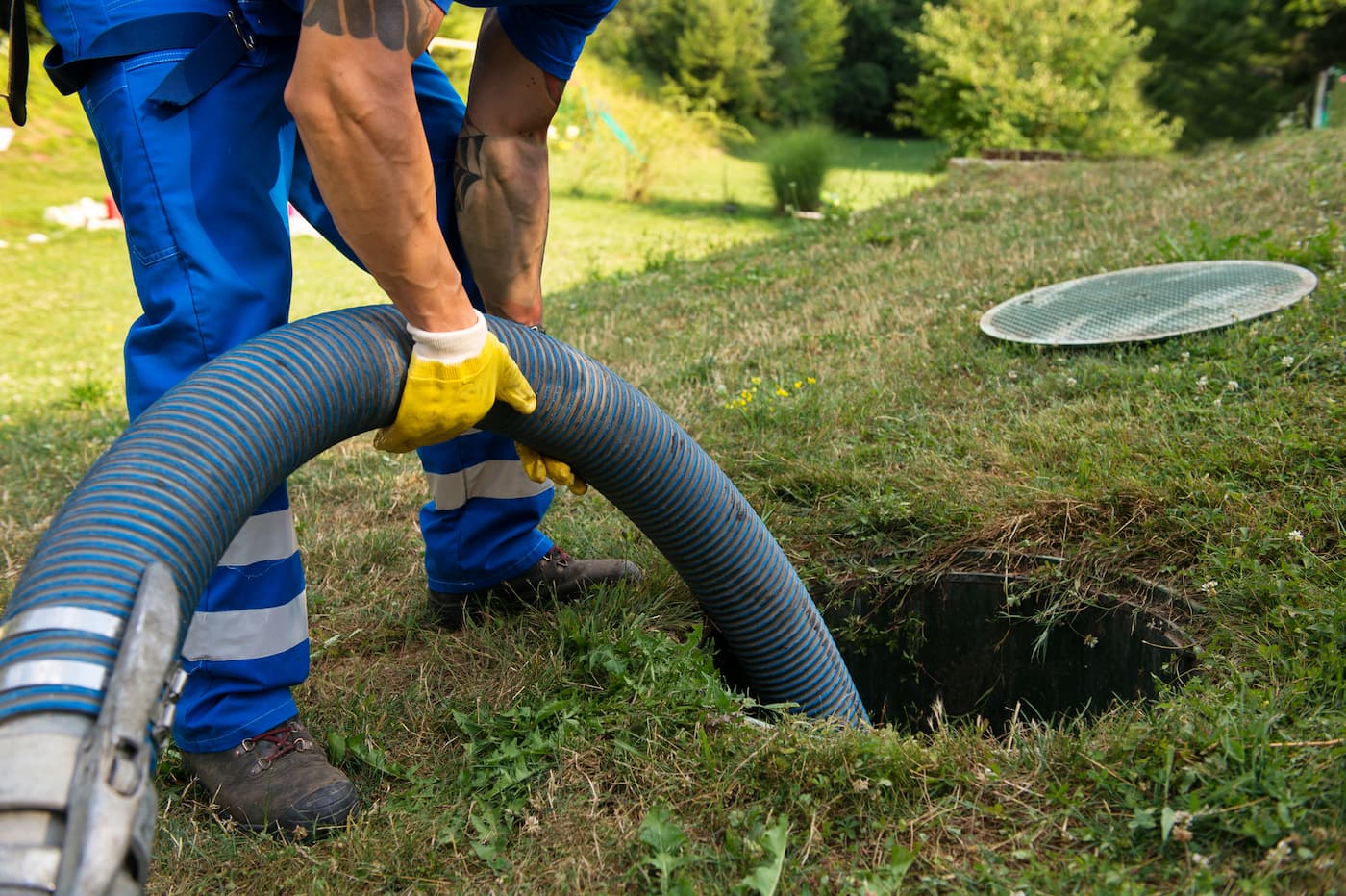

As a home or business owner, budgeting for general upkeep and routine maintenance can be tricky. When you have a septic tank it can be even more complicated, because you may not know a lot about your septic tank, and in some cases, you may not even realize you have one, or more, tanks on your property. While septic tanks generally run smoothly, routine maintenance is required to keep them functioning properly long term, and even then, sometimes things just go wrong.
If you’re curious about how much it costs to pump a septic tank, look no further, because we’ve put together a comprehensive guide outlining all the costs associated with septic tank cleaning and care.
Key Points About Septic Tank Pumping Costs
- The cost to pump a septic tank is primarily determined by the size of the tank, which is based on the number of bedrooms in the house at the time of the build. Septic tank size does not factor in additions to the house or the number of people living in the home.
- Septic tank pumping costs can also depend on the age of the septic tank, the septic tank’s maintenance level, your location, and inflation.
- Additional services, like emergency tank pumping or dealing with abandoned septic tanks, can dramatically increase the service cost because of the amount of extra work that is required by the septic tank technician.
- While septic tank pumping prices have increased over the years, proper septic tank care can significantly reduce the chances that you’ll run into major problems, allowing you to keep your septic tank costs as low as possible.
Full Breakdown of Septic Tank Pumping Costs
For optimal performance, septic tanks should be inspected every 1-3 years, and pumped every 3-5 years. Make sure to check your local regulations, as some municipalities require septic tank inspections on a set schedule.
For more in-depth information about septic tank pumping, we suggest reading our guides:
Pumping a septic tank can cost anywhere from $250-$700. On average, most homeowners spend approximately $400 to pump their septic tanks. However, to make a better estimate about how much it will cost to pump your septic tank specifically, there are a few important factors to evaluate.
If you’d like to start by learning more about how septic tanks work, we recommend reviewing our guide: How Does A Septic Tank Work?
1. Main Factor for Septic Tank Pumping Cost: Size of Tank
The size of your septic tank is the primary factor that determines the pumping cost. This information is crucial because the size of your septic tank determines how much septage will need to be pumped and disposed of by the technician.
In general, the cost of septic tank pumping is $.30-$.70 per gallon.
The chart below provides a quick overview of the national average for septic tank pumping costs based on septic tank size.
|
Size of Septic Tank |
Estimated Septic Tank Pumping Cost |
|
750 gallons (1-2 bedrooms or 1500 or less square feet) |
$250-$400 |
|
1000 gallons (3 bedrooms or 2000-2500 square feet) |
$350-500 |
|
1250 gallons (4 bedrooms or 3000-3500 square feet) |
$400-$600 |
|
1500 gallons (5 bedrooms or 4000 square feet) |
$500-$700 |
|
2000 gallons (6 bedrooms or 4500 or more square feet) |
$600-$700 |
Note: Some companies offer a flat rate for septic tank pumping regardless of the home’s size. For larger homes this can be an incredible value, while smaller homes may benefit from the pricing available based on their actual septic tank size.
Remember, these numbers are estimates, and can change depending on several other things related to your septic tank.
2. Septic Tank Pumping Cost: Age of Tank
The age of your septic tank is another factor that can affect the pumping cost.
When dealing with older septic tanks, it may be more difficult for the technician to locate the septic tank riser – the lids that are used to access the tank. Because of this, the pumping price in older septic tanks is typically higher because of the extra time and effort required to complete the service.
3. Septic Tank Pumping Cost: Maintenance Level of Tank
Another important aspect to consider is the maintenance level of your septic tank.
If a septic tank is well cared for and is pumped on a regular schedule, you can usually expect to receive better pricing for septic tank pumping. However, if the tank has never been pumped, if more than five years has passed since the last pump, or if the system has been neglected completely, the cost of pumping is likely to increase significantly.
Septic tanks that aren’t well maintained usually have more solids to pump and dispose of, and may also require repairs and deep cleaning to return them to working order.
4. Septic Tank Pumping Cost: Your Location
Your location is another critical factor that can affect your septic tank pumping cost.
For example, if you live in an extremely remote location, it can cost more to have a septic tank pumped because of the travel distance and time required for pumping. However, if you live in or near a municipality, the price for pumping can often be more affordable.
Additionally, the cost of living in your area can directly affect pumping prices – if you live in a place with a higher cost of living, it will usually cost more to have your septic tank pumped.
5. Septic Tank Pumping Cost: Inflation
In recent years, the cost to pump septic tanks has noticeably increased.
Similar to many other industries, higher costs for septage disposal, fuel, and wages all have to be accounted for. Often, professional service companies take some of the burden of higher costs, but inevitably, some of the costs are also passed on to homeowners.
Lack of available infrastructure at septage disposal sites is also causing an increase in costs, as the increased focus on proper septic tank maintenance is leading to overcapacity issues.
As a homeowner, it’s important to keep some breathing room in your septic tank budget to account for inflated pricing.
Find out how to find a reliable company for septic tank pumping and maintenance with our guide: How to Choose the Best Septic System Provider
Septic Tank Pumping Costs: Additional Services
Sometimes, your septic tank may require more than being pumped to ensure that it continues running smoothly.
Here are some common costs that you should consider when budgeting for septic tank maintenance.
Inspections
According to the EPA, septic tanks should be inspected every 1-3 years.
Main line inspections are necessary to confirm that everything is functioning properly. The sewer line on a septic system connects the home’s indoor plumbing system to the septic tank, and septic system professionals will run a camera through the pipes to examine the system and identify any problems.
On average, a sewer line inspection can cost somewhere between $600-$700, although the cost can fluctuate depending on your specific septic tank and system.
Maintenance
When you are getting your septic tank pumped, it may require some routine maintenance and cleaning. The cost of the septic tank service can increase if both pumping and maintenance are required to get the system back to where it needs to be.
Maintenance costs vary drastically because they are determined by your specific situation, but can range from $100-$1,000 based on what services are needed.
Repairs
Your septic system professional will check to see if your septic tank needs any repairs to continue to function efficiently.
Minor parts on septic systems can often be made of plastic, and may need to be replaced more frequently. Small repairs on parts like the lid, pipe, safety screens, or risers are simple, and usually cost less than $100.
However, more serious repairs – including repairing the tank or addressing drain field problems – can cost $4,000 or more depending on the situation.
Note: Certain parts of septic tank systems, particularly safety screens (designed to prevent children and pets from falling into the septic tank), are necessary for septic tank safety. Many septic tank professionals will require you to fix or replace certain safety features in order for them to continue working on your system.
Cleaning
Septic tank cleaning is an added service that utilizes a power washer to remove compacted sludge from the walls and bottom of the septic tank once it is emptied.
This type of cleaning is typically needed when the septic tank hasn’t been pumped and maintained regularly.
The cost for power washing a septic tank is typically an additional $.20-$.30 per gallon.
Clog Removal: Jetting
Just like with any plumbing setup, clogs pose a significant threat to septic systems. If blockages are severe, they can cause slow draining sinks and toilets, gurgling sounds in your pipes, foul odors in or around your home, sewage backup in your drains, and even standing water in your yard.
To remove a clog, septic system professionals often use jetting, or hydro-jetting, a special high-pressure water jet with a hose and nozzle designed specifically to navigate through septic system pipes safely, to free the debris and remove the clog. Depending on the severity of the clog, removal can cost between $300-$500. In extreme cases, removing a clog can cost up to $1,700.
Note: To avoid clogs in septic systems, it is very important that you only flush waste and toilet paper down the toilets, and that you avoid pouring debris, oils, chemicals, and food waste down sink drains.
Field Aeration
If your home has poor soil conditions for drainage, a high water table, limited yard space, heavy wastewater production, or a failing septic system – you may need to aerate your leach field to improve your system’s efficiency.
Field aeration involves injecting air into the leach field to improve drainage by breaking down compacted soil and organic matter buildup. This process allows wastewater to flow more efficiently through the soil to prevent potential clogs or backups.
This service can be quite costly, ranging anywhere from $10,000-$20,000.
For more information about leach fields, read our guide: What is a Leach Field?
Emergency Pumping
If you wait too long to pump your septic tank, or if clogs, broken pipes, or damaged fixtures impact your septic tank system, you may need an emergency pumping service. When overflows happen, sewage and wastewater may back up into the home or flood the leach field, creating a hazardous situation that requires a professional septic technician to fix.
Emergency septic tank pumping is expensive because it is often required outside of regular business hours (after hours, weekends, or holidays), and because of the amount of work required to fix the tank, in addition to the extra cleanup required. In extreme cases, it may even require multiple professional visits in order to complete the service.
For leach field overflow cleanup, you can expect to pay between $7-$15 per square foot. The larger the cleanup space, the more costly the service will be.
Abandoned Tanks
In some cases, septic tank professionals can discover that a homeowner has both an abandoned septic tank and an in-use septic tank.
Abandoned septic tanks can increase pumping costs because they may require the technician to not only discover the abandoned septic tank, but also spend additional time locating the septic tank that is currently being used.
If the abandoned tank has been properly decommissioned, you may only need to pay the extra cost for the added labor. However, if the abandoned septic tank needs to go through the full decommissioning process, that can range anywhere from $1,000-$6,000, depending on what needs to be done.
If you’d like more information about locating septic tanks, we recommend reviewing our guide: How to Find a Septic Tank
Benefits of Proper Septic Tank Care & Maintenance
While septic tank pumping, maintenance, and repairs can seem daunting, caring for your septic system is actually very simple.
Best practices for caring for a septic system:
- Routine septic system inspections every 1-3 years, and scheduled septic tank pumping every 2-5 years, are an easy way to ensure your septic system is working correctly.
- Daily practices that can keep your septic system functioning properly are easy to remember with P.E.M. (Proper disposal of waste, Efficient water usage, and Maintaining your drain field).
For more information about how to properly care for your septic tank, we suggest reading our guide: How Does a Septic Tank Work?
Now, let’s take a look at all the benefits of properly maintaining your septic tank system.
Limit Costly Expenses
Well-maintained septic tank systems require minimal services, maintenance, and repairs, while waiting too long to pump your septic tank, or neglecting your septic system entirely, can lead to very expensive repairs.
In addition to back ups and overflows, overfilled or neglected tanks can cause severe septic tank damage and can even require full septic tank replacement.
For more information about the cost to replace a septic tank, please review our guide: How Much Does it Cost to Replace a Septic Tank
Prevent Emergencies
Plumbing emergencies are every homeowner's nightmare. Typically smelly and unpleasant, these situations almost always occur at the most inconvenient times. If you do not pump your septic tank on a regular schedule, sewage can back up in the drains inside your home, or lead to clogs and overflows.
Averting nasty septic tank emergencies is easy if you stick with a regular schedule of inspections and get your septic tank pumped regularly.
Avoid Water Contamination
If your home has both a septic tank and a well, water contamination is an important issue that you must consider.
If your septic tank becomes too full, solid waste may end up in the drain field and clog the septic system. Sometimes, this can allow harmful waste contaminants to enter your well water. By pumping your septic tank on schedule, you can significantly reduce the chances of this occurring.
That being said, it’s still a good idea to periodically test your well water for purity and safety on a regular basis.
Summarizing the Costs of Pumping a Septic Tank
To maintain a properly functioning septic system, pumping your septic tank is a non-negotiable part of the system's routine maintenance. Following the EPA guidelines with inspections every 1-3 years, and pumping your septic tank every 2-5 years, you can drastically reduce the chances of running into problems.
While the cost for septic tank pumping varies per household, the national average is about $400. This might seem inconvenient to budget for, however, staying on schedule with your septic tank maintenance can save you hundreds, or thousands, of dollars in costly repairs over the long term. Have septic systems questions? Get answers from the expert Customer Support Team at GoodHaven.