
How Does a Septic Tank Work?
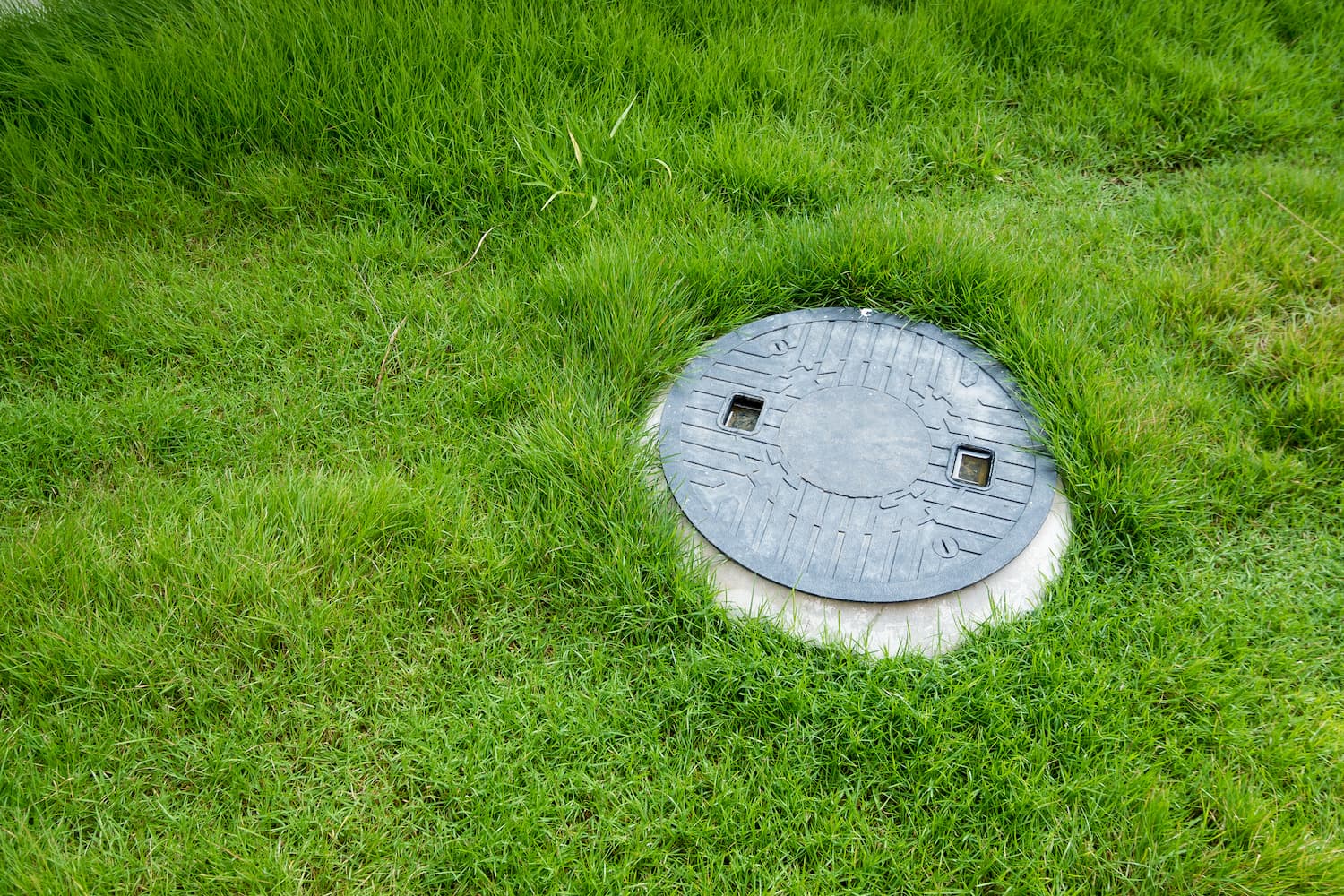

You may have heard about septic tanks, and you may even have one at your home or business, but you might also be wondering, how does a septic tank actually work?
At the most basic level, septic tank systems are contained wastewater treatment systems that are specifically designed to digest organic waste until the remaining liquid can be slowly, and safely, released back into the soil. While this may sound complicated, septic tank systems are actually very straightforward. Follow along as we cover all the important basics about how septic tanks work.
Key Points About Septic Tanks
- Septic tank systems are relatively simple, but there are numerous types of systems that can be used based on household size, soil type, site slope, lot size, weather conditions, and local regulations.
- Septic tanks are typically made from concrete, plastic, or fiberglass, and usually include one or more chambers that allow for the separation of solids (sludge), liquid (effluent), and fats, oils, and grease (scum).
- Septic tanks should be inspected every 1-3 years, and pumped every 3-5 years, to ensure optimal performance.
- The biggest threat to properly functioning septic tank systems is overuse, but managing water flow during high-volume times can significantly reduce the chance that you’ll run into problems.
Septic Systems: How Do They Work?
Traditional septic tank systems typically consist of a septic tank and a leach field.
As wastewater travels into the septic tank, natural anaerobic bacteria begins to digest the waste, and separates the floatable matter, like fats, oils, and grease, from the solids and wastewater. The liquid, known as effluent, is eventually discharged from the septic tank through a series of pipes, chambers, or other special units until the effluent can be slowly released into the soil. This area is commonly known as a leach field, drainfield, or soil absorption field.
For more information about leach fields, please read through our guide: What is a Leach Field?
Some septic tank systems utilize pumps or gravity to help the septic tank effluent pass through sand, peat and sawdust, constructed wetlands, or other media to further remove or neutralize pollutants and contaminants. In fact, some alternative systems are even designed to evaporate wastewater or disinfect it before it is discharged into the soil.
Note: Anaerobic systems operate without oxygen, and utilize bacteria that don’t need it to break down waste, while aerobic systems actively introduce oxygen to the wastewater, enabling more efficient breakdown by oxygen-loving bacteria. Traditional septic systems typically feature anaerobic designs.
For further details about the differences between these two types of septic tank systems, we recommend reading our guide: Anaerobic vs. Aerobic Septic Systems: What’s the Difference?
How Conventional Septic Systems Work: Step-by-Step
Now that you understand the basics of how typical septic systems work, let’s take a closer look at the process one step at a time.
- Wastewater Enters the Septic Tank: All waste and water from the various fixtures in your home, or business, run through a series of pipes in the building, and terminate into one final drainage pipe that feeds into the septic tank.
- Waste is Digested and Separated in the Septic Tank: The septic tank is typically a buried, watertight container that is designed to hold the wastewater long enough to allow the natural digestion of waste that leads to the separation of solids to the bottom (sludge), liquid in the middle (effluent), and the fats, oils, and grease to the top (scum).
- Liquid Wastewater Exits the Septic Tank: The liquid wastewater, effluent, then exits the tank into the drainfield.
- Piping Disperses Liquid Wastewater into Drainfield: The drainfield is a shallow, covered, excavation made in unsaturated soil. The pretreated wastewater is discharged into porous surfaces that allow wastewater to filter through the soil. The soil and naturally occurring bacteria (biomat) absorb, treat, and disperse wastewater, ultimately discharging to groundwater.
- Liquid Wastewater Safely Absorbed into Soil: Finally, as the wastewater moves through the pre-treated soil, harmful bacteria, viruses, and nutrients are safely removed. Properly installed, sited, and maintained septic systems should not adversely affect water quality.
Conventional systems are typically installed for single-family homes or small businesses, which is why they are the most common type of septic systems used in the United States. However, there are numerous types of septic tank systems that can be used due to a combination of factors.
Alternative types of septic systems include:
- Chamber Systems
- Drip Distribution Systems
- Aerobic Treatment Units
- Mound Systems
- Recirculating Sand Filter Systems
- Evapotranspiration Systems
- Constructed Wetland Systems
- Cluster/Community Systems
We’ve covered how septic systems work, but what actually happens inside the septic tank itself? Read on to find out more details about how septic tanks work.
Take a deep dive into each type of septic system: What are the Different Types of Septic Systems?
How Do Septic Tanks Work?
Septic tanks are typically buried, watertight containers that receive, and temporarily store, all of the wastewater from your home or business.
The purpose of a septic tank is to provide a place for the wastewater to separate into layers of solids (sludge), liquid (effluent), and fats, oils, and grease (scum). As everything separates, naturally-occurring anaerobic bacteria found in the waste begins to break down the solids in the tank, until the liquid is eventually discharged, and safely dispersed into the leach field.
If you know you have a septic tank but are struggling to locate the septic tank lid or the septic tank itself, we recommend reviewing our helpful guide: How to Find a Septic Tank
Septic Tank Materials
Septic tanks aren’t always constructed with the same materials, so it’s important to understand what material your septic tank is made out of.
The most common materials used to construct septic tanks include:
- Concrete: Lowest Maintenance
- Plastic: Most Common
- Fiberglass: Durable & Expensive
When it comes to cost, the material your septic tank is made of can directly impact the price. For more information about septic tank pricing, please review our guide: How Much is a Septic Tank?
In terms of maintenance, the specific material your septic tank is made of is less important in terms of your regular use and care, but directly affects how professional technicians will approach septic tank maintenance.
Beyond the construction of the tank itself, if you really want to understand how septic tanks work, it’s important to consider the unique design features of septic tanks.
Septic Tank Design
Septic tanks can be designed in a variety of ways, but typically include certain key components.
The key design components of a septic tank are:
- Chambers: Septic tanks usually contain 1-3 chambers that are designed to hold and separate the wastewater. Dual chambers are the most common, storing more of the solid waste (sludge) in the first chamber, and allowing more of the liquid (effluent) to flow to the second chamber prior to being discharged.
- Baffles: There are two different parts of a septic tank that are commonly referred to as baffles. The first type of baffles are usually PVC sanitary plumbing tees located at the inlet and outlet of the septic tank. Inside the septic tank, there can be one or more incomplete walls that separate the solid waste from the effluent, and these are also known as baffles.
- Effluent Filter: Newer septic tanks include an effluent filter that helps to reduce residue and debris from exiting the tank. Effluent filters are designed to be removed for cleaning.
- Risers: Risers work as an access point to the different chambers in the form of lids and seals that are usually made out of the same material as the tank.
For a more in-depth look at the design and components of a septic tank, we recommend viewing our guide: What Does a Septic Tank Look Like?
So, now that you understand the construction and functionality of septic tanks, it’s important to discuss the best way to care for your septic tank.
Septic Tank Care
Proper septic tank care is very simple as long as you follow septic-friendly daily habits with P.E.M. (Proper waste disposal, Efficient water use, and Maintaining your drain field).
1. Proper Waste Disposal
Everything that goes down your drains ends up in your septic system, and can directly affect how well your septic system functions.
Toilets & Septic Tanks
If you have a septic tank system, an easy rule of thumb is:
Do not flush anything besides human waste and toilet paper down the toilet.
To maintain septic tank functionality, never flush the following down the toilet:
- Flushable wipes
- Non-flushable wipes (baby wipes or wet wipes)
- Feminine hygiene products
- Paper towels
- Kleenex
- Condoms
- Diapers
- Contact lenses
- Cat litter
- Pharmaceuticals
- Cigarette butts
- Dental floss
- Coffee grounds
- Household chemicals
- Photographic solutions
When it comes to cleaning toilets, avoid harsh chemicals and toxic cleaners, and opt for septic-safe options like GoodHaven Toilet Bowl Cleaning Liquid or GoodHaven Foaming Toilet Bowl Cleaner Sticks that will not disrupt healthy septic system functionality.
Note: Despite the rumors that circulate online and in the septic tank community, you do not need to purchase special toilet paper if you have a septic system. You can use most toilet paper brands that you would normally use in your septic system within reason.
Sinks & Septic Tanks
Septic tanks naturally house living organisms – bacteria – that digest and treat household waste. Pouring harsh chemicals or toxins down your drain can kill these organisms, which can harm your septic system.
To ensure proper septic system performance, follow these tips for sinks, bathtubs, and showers:
- Avoid chemical drain openers for clogged drains, instead use a high-quality, bio-enzymatic drain opener like Unique Super Digest-It, boiling water, or a plumbing snake.
- Never pour grease or cooking oil down the drain.
- Never pour solvents, oil-based paints, or toxic cleaners down the drain.
- Limit, or completely eliminate, the use of the garbage disposal. This includes things that may seem safe like food waste, vegetable peelings, egg shells, and fruit skins. Read: Can You Use a Garbage Disposal With a Septic System?
Note: Historically, septic tank care guidelines often indicated that you should avoid using bleach entirely if you have a septic system. However, according to updated guidelines, moderate bleach use has been found to have no negative effects on septic tank system performance.
2. Efficient Water Use
The biggest issue that can cause problems with septic tank systems is overuse.
Septic tanks are built to accommodate a specific number of people, and are designed based on the original construction of a home based on the number of bedrooms included – not on the number of bathrooms.
This is important to understand, because if a home is remodeled over the years, but the septic tank isn’t updated, the system may not be able to keep up with the amount of wastewater being produced.
On average, the indoor water use in a typical single-family home can be as much as 70 gallons per person, per day. To put it into perspective, a single leaky or running toilet can add as much as an additional 200 gallons of water per day.
All the water the household sends down the pipes ends up in the septic system, so efficient water use improves the operation of a septic system and reduces the risk of malfunctions.
Best practices for efficient water usage with septic systems:
High-Efficiency Toilets
Toilets generally account for 25-30% of water usage in households. Older homes may have toilets with 3.5-5 gallon reservoirs, while newer, high-efficiency toilets use 1.6 gallons or less of water per flush. Replacing existing toilets with upgraded models can significantly reduce the amount of water entering your septic system.
Faucet Aerators & High-Efficiency Showerheads
Faucet aerators, high-efficiency showerheads, and shower flow restrictors can help reduce water and manage the volume of water entering your septic system.
Washing Machines
Traditional washing machines use between 55-100 gallons of water per load, while high-efficiency washing machines only use between 16-30 gallons, which can make a huge difference in septic tank systems.
Washing small loads of laundry on your washing machine’s large-load cycle also overuses water and energy. Make sure to select the proper load size to reduce water waste. Additionally, plan to spread your washing machine use throughout the week – doing numerous loads of laundry in one day may not give your septic tank enough time to treat the waste, which may lead to a flood in your drainfield.
High-Volume Times
Whether you’re hosting guests, planning celebrations, or enjoying the holidays – every household deals with times where there are higher volumes of water usage. Take care to manage the amount of water being used by spreading out showers and other activities over time to prevent overuse.
When guests arrive, we recommend having a conversation with them about septic tank best practices to ensure everything runs smoothly. While this may seem awkward initially, it can save you a lot of time and money in the end.
Learn techniques to prevent overusing water with our helpful guide: What Happens When You Overuse Water in a Septic System?
3. Maintain Your Drainfield
Your drainfield, leach field, or soil absorption field is an important part of your septic system. This component of the septic system removes contaminants from the liquid that is discharged from your septic tank.
The 3 P’s of Leach Field Care include:
- Parking, Driving & Building: Do not park, drive, or build on your drainfield.
- Planting: Be mindful about planting trees and other plants with intricate root systems near your drainfield. A septic service professional can advise you of the proper distance based on your specific landscape and septic tank configuration.
- Placing: Keep roof drains, sump pumps, and other rainwater drainage systems away from your drainfield to prevent excess water from slowing down, or stopping, the wastewater treatment process.
Read expert tips about how to care for your drainfield: How to Protect Your Leach Field
Septic Tank Maintenance
Maintaining your septic system is relatively straightforward.
Septic Tank Inspection
The average traditional household or small business septic system should be inspected at least every 1-3 years by a septic service professional. Make sure to check your local regulations, as some municipalities require septic tank inspections on a set schedule.
Septic Tank Pumping
Household septic tanks should be pumped every 3-5 years.
If you do not have a traditional septic tank system, and your system includes pumps, mechanical components, or electrical float switches, your septic system should be inspected every year because of the mechanized parts.
Factors that can determine how often your septic tank should be pumped include:
- Household size
- Total wastewater generated
- Volume of solids in wastewater
- Septic tank size
- Age of septic tank
- Septic tank maintenance level
Note: There are many septic tank treatments on the market that advertise that using the product can lengthen the time between septic tank pumps. This information is incorrect, and can lead to septic tank malfunctions. It is important to maintain a regular pumping schedule regardless of any septic tank treatments you may be using.
For more information about septic tank pumping, please review our guides:
- How Often Should a Septic Tank Be Pumped
- How to Check if a Septic Tank is Full
- How Much Does it Cost to Pump a Septic Tank
Septic Tank Treatments
While properly functioning septic systems do not usually need any kind of additional additives or treatments, if you decide to use one, only use high-quality septic system treatments.
Many modern septic tank treatments can interrupt the way anaerobic bacteria naturally digest waste in your septic tank, damage the septic tank itself, significantly reduce the effectiveness of your septic tank system, and negatively affect the groundwater.
The latest information from septic tank professionals indicates that only specific formulas should be used in septic tank systems.
Septic Tank Professionals
When you reach out to a septic system service technician, they will inspect for leaks and examine the scum and sludge layers in your septic tank, in addition to performing other tasks specific to your septic system. This can help your technician develop an appropriate schedule for continued maintenance.
To keep track of when to pump your tank, write down the sludge and scum levels found by the septic professional. Additionally, the technician will note repairs completed and the tank condition in your service report. Make sure to keep the maintenance records for work performed on your septic system.
If you find yourself in a position where you need to replace your septic tank, we encourage you to review our guide: How Much Does it Cost to Replace a Septic Tank
If you have questions about your septic system, or are experiencing issues, the professional Customer Service Team at GoodHaven is ready to help you find answers and resolve septic system issues quickly and efficiently.
Final Thoughts on How Septic Tanks Work
Septic tanks are the key component in a septic system, and help digest and manage the wastewater that flows out of your home or small business. When properly cared for and used, septic tanks provide an efficient and environmentally friendly way to handle wastewater in areas where there isn’t sewer-system access.
Understanding the basics about how septic systems work, how to properly manage water usage and waste disposal, and following routine maintenance guidelines will keep your septic system running problem-free long term.