
How Often Should a Septic Tank Be Pumped?

If your septic system is running smoothly, it can be easy to forget about the maintenance required to keep it working well over time. But, if you neglect to have your septic tank pumped regularly, you may find yourself in violation of local regulations, or worse yet, dealing with costly, and nasty, wastewater emergencies or repairs.
That’s why we’ve put together all of the most important information you need to know about why, when, and how to have your septic tank pumped for worry-free septic system performance.
If you’re trying to budget for septic tank pumping and maintenance, take advantage of our handy guide: How Much Does it Cost to Pump a Septic Tank?
Key Points About Pumping Septic Tanks
- According to the EPA, septic tanks should be inspected every 1-3 years, and pumped every 3-5 years for optimal performance and safety.
- Your septic tank pumping schedule may vary based on local regulations, household size, septic tank size, and septic system usage.
- Proper septic tank care and maintenance can prevent costly repairs, emergencies, and water contamination, so good habits are paramount for best results.
- Certified septic system professionals can measure your tank volume and usage, check for repairs and upgrades, and recommend an ideal septic system maintenance schedule.
Why Do You Need to Pump Your Septic Tank?
If you have a septic system, you may be wondering why you need to pump your septic tank at all — which is a great question, and can be easily answered by understanding the basics of septic system functionality.
Septic Tank Basics
Septic tanks are usually watertight containers that are buried on your property, and are designed to receive, and temporarily store, all of the wastewater from your home.
The purpose of a septic tank is to provide a place for the wastewater to separate into layers of solids (sludge), liquid (effluent), and fats, oils, and grease (scum). During this process, naturally-occurring anaerobic bacteria found in the waste begins to break down the solids in the tank, until the liquid is eventually discharged, and safely dispersed into the leach field.
For more information about septic tank performance, take a look at our guide: How Does a Septic Tank Work?
The Main Reason to Pump a Septic Tank
Over time, the sludge and scum levels naturally rise, limiting the amount of room for effluent inside the septic tank. This is significant because it not only increases the chance of backups, but reduces wastewater breakdown time, increases the risk of solids clogging the effluent line, and can cause an overabundance of nutrients in the leach field.
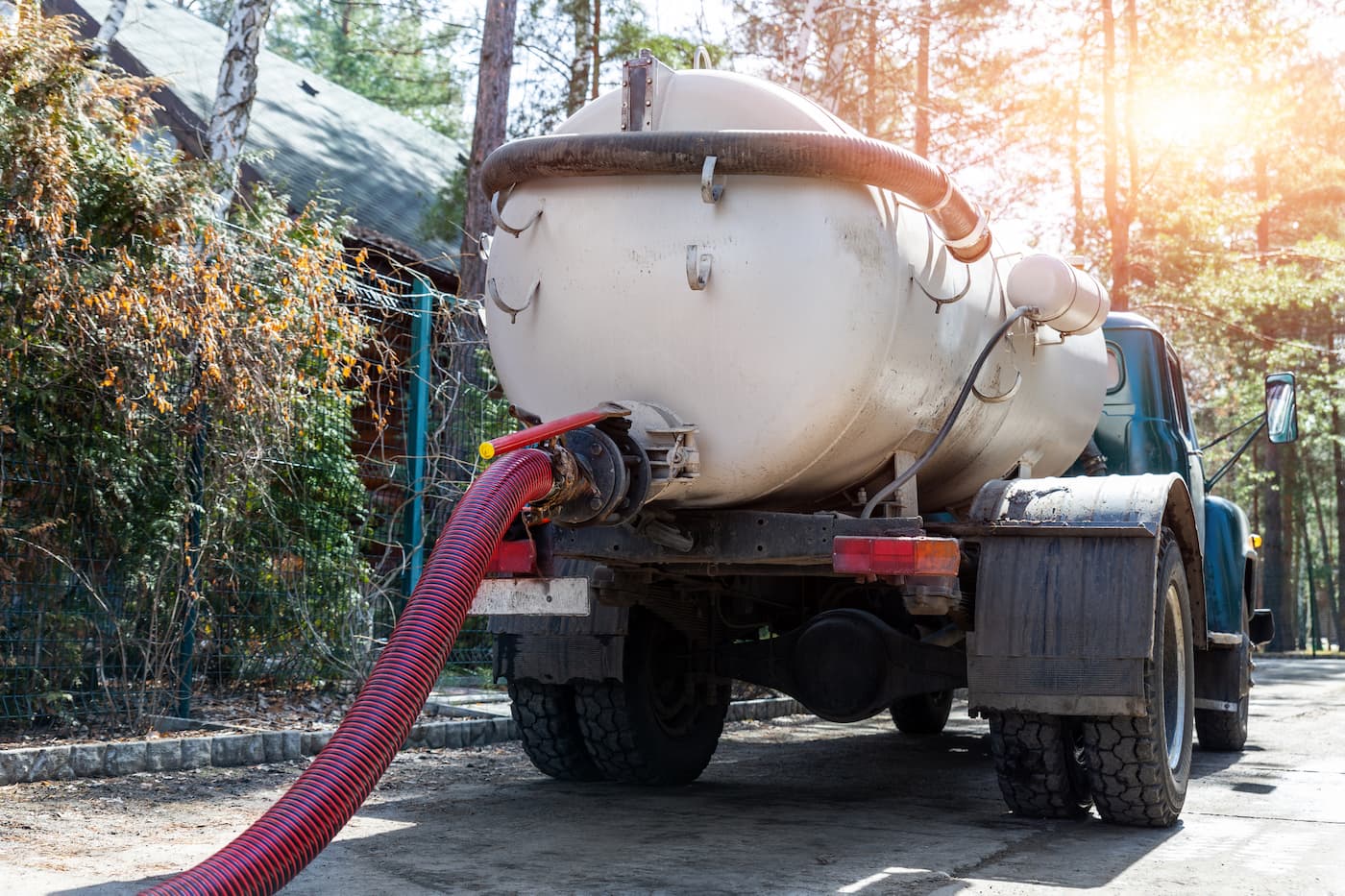
To prevent the tank from overflowing into the leach field or backing up into your home, pumping the septic tank removes the accumulated solids to allow for proper waste treatment and dispersal.
Typically, when the solid levels inside of a septic tank reach 25-33%, the tank is considered full and will need to be pumped.
Septic Tank Inspection & Pumping Recommendations
For average households, you should plan to have your septic system inspected at least every 1-3 years, and pumped every 3-5 years. This is the baseline recommendation that can help ensure that your septic system continues running properly long term.
However, if you have an alternative system installed on your property that includes electrical float switches, pumps, or mechanical components, your system should be inspected more often, typically once per year.
If you aren’t sure when your septic tank was last pumped, or you’re worried your septic tank may be full, consider reading our guide: How to Check if a Septic Tank is Full
Note: There are many septic tank treatments on the market that advertise that using the product can lengthen the time between septic tank pumps. This information is incorrect, and can lead to septic tank malfunctions. It is important to maintain a regular pumping schedule regardless of any septic tank treatments you may be using.
Learn: Home Septic Tank Safety: Expert Tips for the Whole Family
Factors that Impact Septic Tank Pumping Schedules
Following the EPA’s guidelines on septic tank inspection and pumping schedules is a great place to start for standard septic tank care. However, there are numerous factors about your individual property that need to be considered when deciding how often to pump your septic tank.
1. Local Regulations
Depending on where you live, you may be subject to specific septic tank laws and regulations.
In some states, the regulations reflect the EPA’s recommendation, mandating that you have to pump your septic tank every 3-5 years by a state-licensed septage disposal company. In specific municipalities, regulations may suggest pumping your tank as often as every 2 years, while some recommend every 5 years.
In addition to pumping regulations, some states even impose stricter regulations based on the environmental conditions in the area. For example, some states require that only certain materials be used when installing or replacing septic tanks, while others may ban certain types of septic systems altogether.
One thing that all states generally agree on is that if anything goes wrong with your septic tank, particularly from failing to follow the recommended pumping guidelines, you may be subject to fines, and be held responsible for any damage or contamination that results from septic system failure.
It is always best to check the local laws and regulations in your area to ensure compliance with septic tank pumping, installation, replacement, and care.
2. Household Size
Aside from local regulations, household size is one of the main factors that determines how often you need to pump your septic tank.
Septic systems are originally designed based on the number of bedrooms in the house at the time of the build, not on the number of people living in the home.
If you have a large household, particularly if you exceed the number of people the septic system was originally designed for, your septic tank will need to be pumped more frequently. Similarly, if you have a smaller household, you may not need to pump your septic tank as often due to the reduced amount of wastewater produced.
Learn more: Purchasing a Home With a Septic System: What You Need to Know
3. Septic Tank Size
Another important factor that will determine your septic tank pumping schedule is the size of the septic tank itself. Obviously, larger septic tanks have higher capacity, but are usually installed for homes that need to accommodate more people.
The chart below provides yearly estimates for septic tank pumping frequency. For example, if you have 4 people in your household and you have a 1000-gallon tank, you will need to pump your tank approximately once every 2 ½ years.
|
Estimated Septic Tank Pumping Frequency (In Years) |
||||||||||
|
Household Size - Number of Occupants |
||||||||||
|
Septic Tank Size |
1 |
2 |
3 |
4 |
5 |
6 |
7 |
8 |
9 |
10 |
|
1000-Gallon |
12 |
5.5 |
3.5 |
2.5 |
2 |
1.5 |
1 |
1 |
1 |
1 |
|
1250-Gallon |
15.5 |
7.5 |
4.5 |
3 |
2.5 |
2 |
1.5 |
1 |
1 |
1 |
|
1500-Gallon |
19 |
9 |
6 |
4 |
3 |
2.5 |
2 |
2 |
1.5 |
1 |
|
2000-Gallon |
25 |
12 |
8 |
6 |
4.5 |
3.5 |
3 |
2.5 |
2 |
2 |
Note: This chart only serves as an estimate for regular septic tank pumping. Water usage, increases in household size, and other factors can significantly impact how often you need to pump your septic tank. Always consult with a septic system professional to determine the ideal septic tank pumping schedule to fit your needs.
Related: What Does a Septic Tank Look Like?
4. Septic System Usage
Your household’s specific septic system usage is another factor that can greatly impact how frequently you need to pump your septic tank.
For example, excessive water usage like taking long showers, using high-capacity washing machines, running multiple appliances simultaneously, or not planning for high-volume times, can overload the septic system.
Additionally, if you use a garbage disposal (not recommended with septic systems), use lots of cooking oils, pour grease down drains, or consume diets high in fats, it is likely that your septic tank will have a higher accumulation of solids and require more frequent pumping.
However, if you follow the best practices for septic tank care, you can maintain a more manageable level of solid accumulation.
How Proper Maintenance & Care Impacts Septic Tank Pumping
Septic tank performance is closely connected to your septic system maintenance and care.
Septic systems are designed to last for decades if cared for properly, but with poor daily habits or long term neglect, septic system failure may be just around the corner. However, following a few simple rules can help you maintain a high-functioning septic system for years to come.
Practice P.E.M. septic-friendly habits for optimal septic system performance:
- Proper Waste Disposal: Everything that goes down your drains ends up in your septic system, and can directly affect how often you need to pump your septic tank. Only flushing human waste and toilet paper down the toilet, and limiting what goes down drains and sinks, can help reduce the accumulation of solids.
- Efficient Water Usage: The main reason you may need more frequent septic tank pumping is overuse. All the water the household sends down the pipes ends up in the septic system, so efficient water use improves the operation, and reduces the risk of malfunctions. Planning water usage and installing high-efficiency fixtures can significantly help reduce costly problems and the need for additional pumping services.
- Maintain Your Drain Field: Your drainfield, leach field, or soil absorption field is an important part of your septic system. This component of the septic system removes contaminants from the liquid that is discharged from your septic tank. If your septic tank is overfilled with solids, clogged pipes may prevent proper waste dispersal, and lead to system failure.
Expert Tip: When it comes to cleaning toilets, avoid harsh chemicals and toxic cleaners, and opt for septic-safe options like GoodHaven Toilet Bowl Cleaning Liquid or GoodHaven Foaming Toilet Bowl Cleaner Sticks that will not disrupt healthy septic system functionality.
By following our guidelines for septic tank inspections, pumping, and care practices, you can rest easy knowing that your septic system should run effectively long term.
For a full breakdown of septic tank functionality and care, please review our guide: How Does a Septic Tank Work?
Septic Tank Pumping & Certified Septic System Professionals
If you suspect that your septic tank is full, are due for septic system maintenance, or simply need to create a septic tank pumping schedule, you’ll want to contact a certified, and licensed, septic system professional.
What Does a Septic System Professional Do?
When you reach out to a certified septic system professional, they will inspect for leaks, examine the scum and sludge layers in your septic tank, and perform additional tasks specific to your septic system.
The septic system professional will measure your tank and calculate the level of solids, and then based on usage and accumulation, create an appropriate schedule for septic tank pumping and continued maintenance. Additionally, the septic system professional will note repairs completed, and the tank condition in your service report.
Make sure to keep the maintenance records for work performed on your septic system.
Another best practice is to keep personal records regarding when to pump your septic tank, and write down the sludge and scum levels found by the septic system professional for additional accountability and peace of mind.
Maintaining your own set of records can also be very helpful if you change septic system companies, or if the individual you were working with no longer works at the existing company. Having your own records means you can keep track of your septic system’s status more effectively over the years.
Find reliable help: How to Choose the Best Septic System Provider
Septic System Professionals & Recommended Pumping Schedules
During the inspection, if the septic system professional determines that the yearly solids buildup is slower than average, they may suggest a less frequent pumping schedule. However, this is very rare.
Based on the accumulated solid levels, most septic system professionals will recommend pumping on a slightly more frequent schedule than the minimum requirement. While this might seem counterintuitive, keeping a more frequent schedule can significantly decrease the chances of the costly complications that come from overflow and system failure.
Choosing the Right Septic Tank Pumping Schedule
Ultimately, as long as you are inline with local regulations, how often you pump your septic tank is up to you. However, keep in mind that solid accumulation levels can vary year over year, particularly if your household size increases, you host guests more often, or your daily habits change.
It’s always best to err on the side of caution when it comes to regular septic tank pumping and maintenance.
Failing to pump your septic tank can lead to costly repairs, nasty emergencies, and environmental contamination, so it’s always best to follow professional pumping recommendations.
If you have questions about septic tank pumping, septic system care, or you’re experiencing septic problems, the expert Customer Support Team at GoodHaven is ready to help you find answers and resolve septic system problems in no time.
If you need help budgeting for septic tank pumping, read our comprehensive guide: How Much Does it Cost to Pump a Septic Tank?
Key Takeaways About Septic Tank Pumping
If you have a septic system on your property, then septic tank pumping is a necessary part of your household’s maintenance. The best starting point is to follow the EPA’s guidelines of getting your septic system inspected every 1-3 years, and your septic tank pumped every 3-5 years.
However, to maximize septic system longevity, work closely with a septic system professional to determine the ideal septic tank pumping schedule based on local regulations, your household size, septic tank size, and septic system usage.
Tailoring your septic tank pumping schedule to your needs, and establishing good daily habits, will keep your septic system operating problem-free for years to come.