
How to Check if a Septic Tank is Full
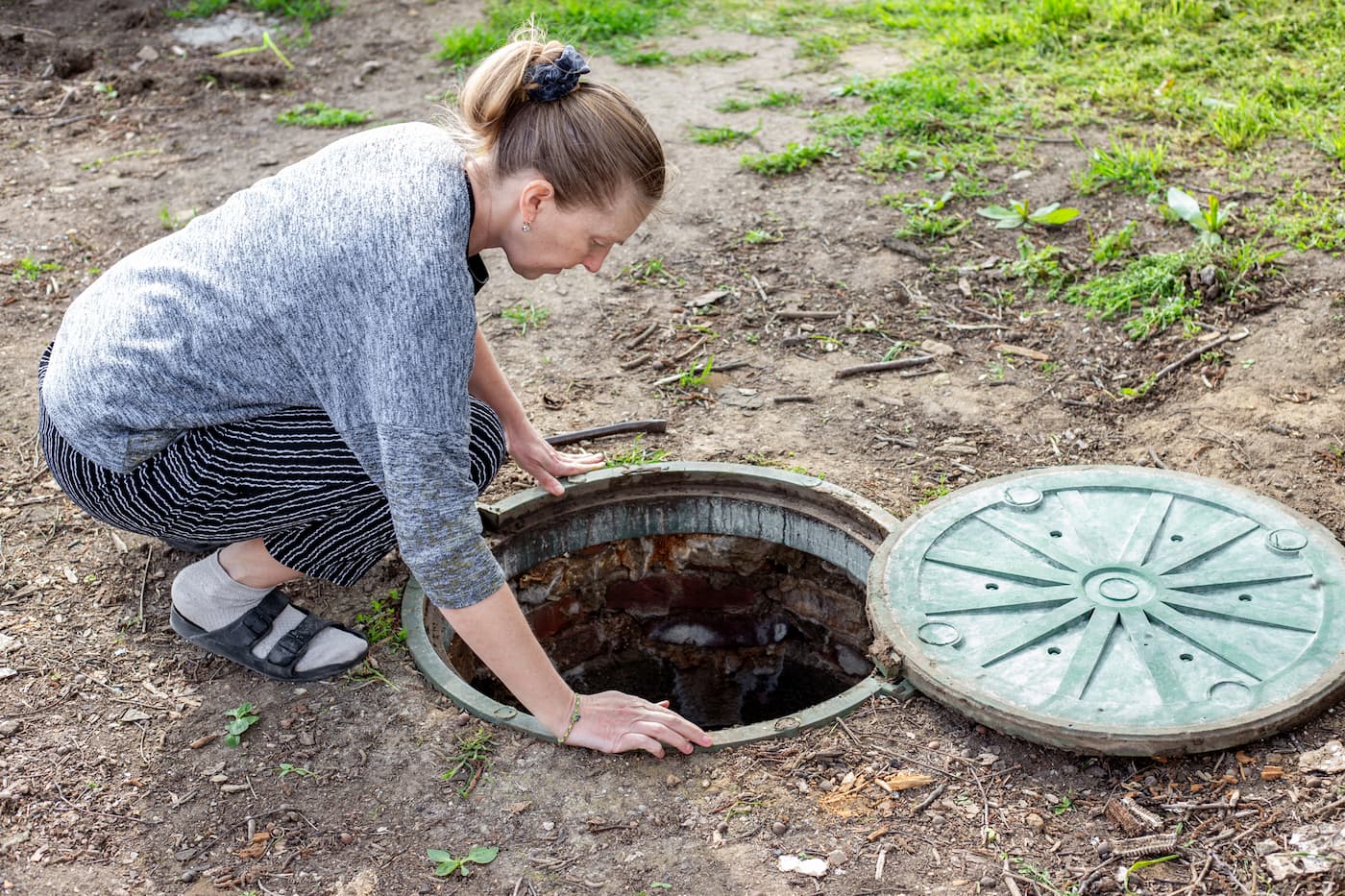

Proper septic tank maintenance and care is fairly straightforward, but some of the ins and outs can leave homeowners with questions. If you have a septic tank, you may find yourself asking, “how can I tell if my septic tank is full?” Unfortunately, finding the answer isn’t as easy as lifting the lid and looking inside the tank – in fact, checking your septic tank yourself can actually put your safety at risk.
Instead, a better question to ask is, “how do I know when I need to have my septic tank pumped?” We’ve put together this extensive guide to help you know what signs indicate that your septic tank may be full, and when it’s time to call in the professionals.
If you’re new to septic systems, we recommend reading: How Does a Septic Tank Work?
Key Points About How to Tell if a Septic Tank is Full
- While it might be tempting to try and check how full your septic tank is on your own, it can be extremely dangerous to work in and around septic tanks. It’s usually best, and safest, to leave septic tank maintenance to a septic system professional.
- Inside your home, signs that can indicate that your septic tank may be full, or clogged, include slow drains, sewage backups, gurgling or bubbling water sounds from pipes, and foul drain odors.
- Outside your home, signs that can indicate that your septic tank may be full include sewage smells in the yard or around the house, pooling water near the septic tank, standing water or sewage in the leach field, and overly lush, green grass over the leach field.
- Almost all of the issues related to a septic tank being full can be avoided completely with a proper maintenance schedule and proper septic system practices.
Septic Tank Inspections & Maintenance: Trust the Professionals
Homeownership can be expensive, so it’s not surprising that many homeowners want to handle routine maintenance on their own. However, while many things are appropriate to DIY, other tasks, like septic tank maintenance, are best left for professionals.
The fact is – inspecting or maintaining a septic system can be dangerous.
We do not recommend inspecting or maintaining your own septic system. If you choose to inspect or maintain your septic system on your own, you do so at your own risk, and are personally responsible for your own safety.
Dangers of septic tank maintenance include:
- Exposure to Infectious Diseases: Sewage carries harmful bacteria, viruses, and parasites that can cause infection and illness, especially in people with weakened immune systems, pregnant women, children, and the elderly.
- Hazardous Gases: Septic tanks can produce toxic gases like methane, carbon dioxide, ammonia, and sulfur dioxide. These gases can be dangerous if inhaled in high concentrations due to their potential to cause respiratory irritation, asphyxiation, and even loss of consciousness.
- Electrical Shock: Some septic systems include pumps or other electrical devices where loose or exposed wires can pose a threat, while digging around a septic tank without locating utility lines can lead to electrical shock.
Proper hygiene, protective clothing, and safe work practices can help reduce exposure to these risks, and it is important to take all necessary precautions in order to minimize the risks of illness or injury associated with the inspection and maintenance of a septic system.
If at any time you don’t feel confident about your ability to safely inspect or maintain your septic system, you should stop what you are doing and hire a licensed professional to perform the work. Learn: How to Choose the Best Septic System Provider
Now that we have that out of the way, let’s take a closer look at what a full septic tank means, and how to know if your septic tank needs to be pumped.
What Does a Full Septic Tank Mean?
An interesting aspect of septic tank maintenance is that a “full” tank is actually a tank that is functioning properly. A common misconception is that if the septic tank looks full, then it needs to be pumped right away. However, this is not always the case. Varying levels of solids (sludge), liquid (effluent), and fats, oils, and grease (scum), are the determining factors when assessing your septic tank’s status.
Here are the three main states of a full septic tank:
1. Normal Level
Septic tanks at the normal (full) level allow the effluent to flow in and out of the inlet and outlet pipes without issue. On gravity-fed tanks, the liquid level should generally be at the base of the outlet pipe during normal operation.
If you are looking inside the septic tank, the top layer of scum in a properly functioning tank should be roughly 8-12 inches from the opening, which can often lead homeowners to incorrectly believe their tank is overfilled.
2. Sludge Accumulation
Septic tanks naturally accumulate waste over time, but as the sludge and scum builds up, a pump out is required. According to the EPA, once 25% of the liquid depth of a septic tank is composed of sludge and scum, it’s time to have your septic tank pumped.
When the sludge and scum is allowed to exceed these levels, the solids can negatively impact the effluent quality as it exits the tank and makes its way to the leach field.
3. Overfilled
Overfilled septic tanks are what most people think of when they are worried about their septic tank being full. This happens when a septic tank becomes overfilled with sludge and scum, and wastewater fills to the top of the tank.
This can prevent the effluent from draining into the leach field properly, and cause a sewage backup into the home or a flooded leach field, creating a hazardous situation that requires a professional septic technician to fix.
Note: Septic system professionals are trained to assess the status of septic tanks, and use specific tools designed to check the depth, or thickness, of the scum and sludge layers. During inspections, and after pumping, septic system technicians will record the levels in your septic tank to consistently track the condition of the system, and to set a regular pumping schedule.
Signs That a Septic Tank is Full
If you are worried that your septic tank is overfilled, there are some tell-tale signs that you can look for both inside and outside of your home.
Full Septic Tank: Signs Inside the Home
An overfilled septic tank will cause a variety of issues inside of your home. Let’s take a look at some of the most obvious signs that it might be time to pump your septic tank.
Slow Drains
Slow drains are one of the first signs that you may be dealing with a full septic tank. If only one drain is slow in your home, you may be dealing with a clog, and not a septic system problem. However, if multiple drains are slow to drain throughout the house, it may be a sign that your septic tank needs to be pumped.
Sewage Backup
Water or sewage backing up in different drains throughout your home may be another indication that your septic tank is full. For example, if you flush the toilet, and notice that the bathtub or shower drain has water or waste backing into it and pooling into the drain, this could mean that the septic system is overfilled. When this happens, it means the tank is no longer able to take in water from the home’s plumbing system.
Bubbling or Gurgling Water Noises
Prolonged, or even constant, bubbling or gurgling water is another sign that your septic tank might be full. Air can become trapped in the home’s plumbing system and produce the distinct gurgling sound. This can occur when a septic tank is overfilled, but can also be caused by a blocked vent pipe. Bubbling or gurgling sounds should not be the only indicator used to determine if a septic tank needs to be pumped.
Unpleasant Odors
Foul odors coming from multiple drains in the home can be another way to determine that your septic tank is full. As waste backs out of the septic tank toward the home, the intense odor can be strong enough to overcome the water in the p-traps of the plumbing system and come through the drains. This often occurs when the water usage in the house is considerably more than normal, causing the septic tank to be overfilled.
Full Septic Tank: Signs Outside the Home
While plumbing problems inside the home may be the first way to know that your septic tank is overfilled, there are some obvious issues that can happen outside your home that indicate you may need to pump your septic tank.
Sewage Smells
One of the most obvious signs that your septic tank is full, is if you notice strong sewage smells in the yard or around the house. This could mean that your septic tank is full, or that there is a leak from the septic tank itself.
Pooling Water Near the Septic Tank
Water that pools near or around the septic tank can be another way to know that your septic tank is full and needs to be pumped. It may also mean that your septic tank is leaking, and may need to be repaired to function properly.
Standing Water in the Leach Field
Standing water or sewage in the leach field may indicate that your septic tank is full. This can be especially obvious if the water has a strong odor, or if there hasn’t been significant precipitation in the area recently.
For more information about leach fields, please refer to our guide: What is a Leach Field?
Overly Green & Lush Grass
If the grass covering your leach field suddenly becomes very green and lush, that may be a sign that your septic tank is full. When this occurs, the grass is often greener in a pattern that mirrors the lateral lines of the leach field, and will leave more barren areas of grass between the laterals.
Note that the grass will generally be greener in these areas, but a rapid change in the color or richness of the grass is what to keep an eye out for. While this is a more subtle sign that your septic tank is full, often multiple signs will indicate that the tank needs to be pumped.
Septic Tank Emergencies
In the event that you are experiencing one, or more, of the issues above, then you might be dealing with a full, or overflowing, septic tank. To avoid further damage, increased repair costs, and nasty cleanup, it’s important to take certain actions right away.
In the event of a septic tank emergency:
- Stop Water Usage: Turn off all of the water in your home and avoid using it until a professional can assess the situation.
- Call a Professional: Hire a septic system professional to thoroughly inspect, and repair, the system.
The septic system professional will be able to accurately diagnose the problem, and inform you about what steps are required to get the septic system functioning correctly again. Sometimes, your septic tank may only need to be pumped, and in other cases, more serious repairs and cleanup may be required.
For a thorough breakdown of septic tank pumping and maintenance costs, we highly suggest reading our guide: How Much Does it Cost to Pump a Septic Tank?
Maintaining a Healthy Septic Tank
Proper care and maintenance of your septic system can help you avoid most, if not all, of the problems that arise due to overfilled septic tanks.
Septic Tank Inspections
Most household and small business septic systems should be inspected every 1-3 years by a septic system professional. Make sure to check your local regulations, as some municipalities require septic tank inspections on a set schedule.
Septic Tank Pumping
According to the EPA, household septic tanks should be pumped every 3-5 years.
If you do not have a traditional septic tank system, and your system includes pumps, mechanical components, or electrical float switches, your septic system should be inspected every year because of the mechanized parts.
For more details about septic tank pumping, we recommend reading our guide: How Often Should a Septic Tank Be Pumped?
Septic Tank Care: Best Practices
While septic tank pumping, maintenance, and repairs can seem daunting, caring for your septic tank system is actually very simple with P.E.M. (Proper waste disposal, Efficient water usage, and Maintaining your drain field).
Use P.E.M. septic-friendly practices to maintain your system:
- Proper Waste Disposal: Everything that goes down your drains ends up in your septic system, and can directly affect how well your septic system functions. Only flushing human waste and toilet paper down the toilet, and limiting what goes down drains and sinks, can help keep your septic system running smoothly.
- Efficient Water Usage: The biggest issue that can cause problems with septic tank systems is overuse. All the water the household sends down the pipes ends up in the septic system, so efficient water use improves the operation, and reduces the risk of malfunctions. Planning water usage and installing high-efficiency fixtures can significantly help reduce the chances of overuse.
- Maintain Your Drain Field: Your drainfield, leach field, or soil absorption field is an important part of your septic system. This component of the septic system removes contaminants from the liquid that is discharged from your septic tank. Avoid parking or driving on the leach field, planting trees or plants with significant root systems, and placing other drainage systems near the leach field for optimal performance.
By following our guidelines for septic tank inspections, pumping, and care practices, you can dramatically reduce the chances that you’ll experience problems, and ensure that your septic system runs smoothly.
Always opt for septic-safe cleaning options like GoodHaven Toilet Bowl Cleaning Liquid or GoodHaven Foaming Toilet Bowl Cleaner Sticks that will not disrupt healthy septic system functionality.
For more information about how to properly care for your septic system, we suggest reading our guides:
Septic Tank Help
Are you struggling with the care, maintenance, or functionality of your septic tank? Do you have septic tank questions you want to talk through with a professional? Don’t worry, you’re not alone.
Thankfully, the expert Customer Service Team at GoodHaven is trained and ready to help you resolve your septic tank issues with ease.
The Bottom Line About How to Know if a Septic Tank is Full
Ultimately, if you want to know if your septic tank is full, it is always best to contact a licensed septic system professional. These trained technicians can work with you to maintain your septic system long term, and can save you thousands of dollars and hours of stress and worry.
If you’re experiencing any of the warning signs that your septic tank is full – like slow drains, backups, sewage smells, or standing water near your septic tank or leach field – make sure to discontinue water usage and have your septic system inspected as soon as possible.
Lastly, to avoid costly repairs, maintenance, and cleanup, follow a regular septic tank pumping and inspection schedule, monitor water usage, properly dispose of waste, and maintain your drainfield. By following these best practices of septic system care, you can rest easy knowing that your septic tank should function safely and efficiently for years to come.