
How Much is a Septic Tank? Septic System Upgrade & Replacement Costs
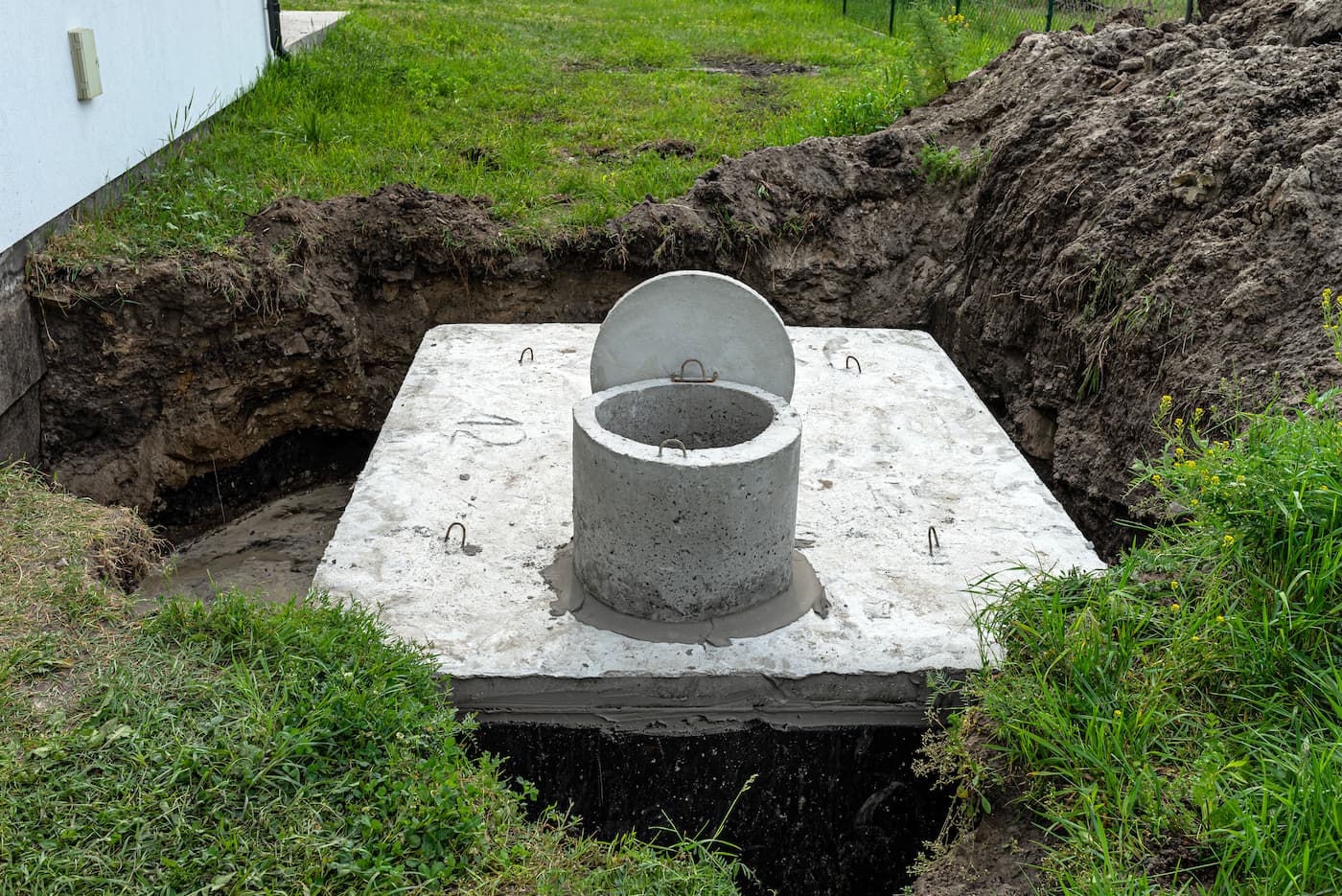

While septic tanks, and septic tank systems, are designed to last for decades or more with proper maintenance, there still comes a time when you need to upgrade, or fully replace them.
Whether it’s because of years of normal use, physical damage, or capacity issues — it’s important to keep your system fully functional to avoid health risks and environmental problems.
But, how much is upgrading or replacing your septic system going to cost? Well, you have to factor in more than just the cost of the septic tank itself, and that’s why we’re here. We’ve put together this helpful guide so that you can accurately budget for your septic system improvements.
If you don’t have an existing septic system, and are installing one for the first time, we recommend reviewing our guide: How Much is a Septic Tank? Breaking Down Septic System Installation Costs
Key Points About Septic Tank Replacement Costs
- Septic systems can fail for a number of reasons, including improper installation, excessive water usage, lack of proper care and maintenance, physical damage, and age.
- It may be time to upgrade, or replace, your septic system if the current system is malfunctioning, requires more frequent tank pumping, needs to adapt to capacity changes, faces regulation or environmental concerns, or is very old.
- The cost for septic system replacement includes more than just the cost of the septic tank itself, it also includes completely and safely abandoning the old system, along with inspection, permit, and engineering fees, material and equipment costs, labor, and more.
- Septic system replacements and upgrades can be costly, but homeowner’s insurance may be able to help offset some of the costs.
Why Do Septic Systems Fail?
Just like any system in your home, septic systems will eventually cease to function properly over years of use. Well-maintained systems generally last significantly longer than poorly maintained or neglected ones, but the need to upgrade or replace them eventually is inevitable.
Let’s take a closer look at some of the main reasons that septic systems fail.
Improper Installation
Sometimes, the reason a septic system fails is because it wasn’t properly installed.
The leach field may have been constructed in soil which isn’t compatible with optimal drainage and performance in mind, or the system may have been poorly designed.
It is also possible that the septic tank itself was not adequately anchored during installation, and can cause the tank to rise through the ground when pumped. The septic tank may also have been placed in the ground without allowing the necessary time for settling, which may cause the tank to sink and separate from the attached plumbing.
You can avoid this type of septic system failure by working with licensed, professional, and highly-rated septic system installation companies.
For more information about septic system installation, we recommend reading our guide: How Much is a Septic Tank? Breaking Down Septic System Installation Costs
Excessive Water Use
The main thing that can cause septic system failure is overuse.
Septic tanks are built to accommodate a specific number of people based on the number of bedrooms in a home. If the water usage in the home consistently exceeds what the septic tank was originally designed for (more people living in the home, home additions, etc.) it can lead to an overfilled tank, a host of wastewater issues, unpleasant messes, and eventually full system failure.
If you want to learn more about how to determine if your septic tank is full, we suggest reading:
How to Check if a Septic Tank is Full
Lack of Proper Care & Maintenance
Septic systems can fail if they are not properly cared for.
Day to day, it’s critical to follow the P.E.M. practices for septic tank care, which include:
- Proper Waste Disposal: Only flush human waste and toilet paper down the toilet, don’t dump chemicals, grease, solvents, and cleaners down sinks, and eliminate the use of the garbage disposal to avoid overloading the system with solids.
- Efficient Water Use: Installing high-efficiency fixtures, spreading out laundry throughout the week, and managing water use during high-volume times to avoid overuse. .
- Maintain Your Drain Field: Don’t park or drive on your leach field, be mindful about planting trees and other plants in close proximity to it, and place drainage systems away from the area to prevent disruption of the water treatment process and physical damage.
Long term, it’s critical that you adhere to a regular maintenance schedule by having your septic system inspected every 1-3 years, and your septic tank pumped every 3-5 years.
If septic tanks aren’t regularly inspected and pumped, septic system components may break, baffles may get blocked, or overfilled tanks can cause backups into the home or overflows in the leach field.
We outline all of the key aspects of septic system performance and maintenance in our guide:
Physical Damage
Occasionally, physical damage can be the cause of septic system failure.
Tree roots may grow and damage sewage pipes or crack the walls of a septic tank. Additionally, when structures, vehicles, retaining walls, or other heavy objects are located too close to a septic system, they can cause significant damage to its components.
Old Age
Septic systems are designed to function properly for many years, however, like any other type of infrastructure, they degrade over time. Older systems may become less and less efficient, or may eventually stop functioning properly as components wear out, cracks develop, etc.
Make sure to review when your septic system was installed, and communicate with your septic system professional about its status, so that you can plan ahead for upgrades or replacements.
If you’re getting ready to buy a home with a septic system, read this guide: Purchasing a Home With a Septic System: What You Need to Know
5 Signs Your Septic System Needs to be Replaced
If you’re unsure whether your septic system needs to be replaced, there are a few key ways to determine your septic system’s status. We’ve put together the top 5 signs that may indicate its time for a septic system upgrade or replacement.
1. Septic System Malfunctions
If you’re dealing with frequent septic system malfunctions, it may be time to upgrade or replace your septic system. Sometimes, these issues simply indicate that your septic tank needs to be pumped, but, in some cases these can be early signs of septic system failure.
Common septic system malfunctions that may indicate the need for replacement:
- Slow drains
- Sewage backup
- Bubbling or gurgling water noises
- Unpleasant odors
- Sewage smells
- Pooling water near the septic tank
- Standing water in the leach field
- Overly green and lush grass
If you are experiencing one, or more, of the issues above, we recommend calling a septic system professional. They will be able to determine if the septic tank simply needs to be pumped, or if more serious issues exist within the system.
Best Practices: How Often Should a Septic Tank Be Pumped?
2. Septic System Requires Frequent Pumping
If you’ve been following your regular septic tank pumping schedule, but you find that your septic tank suddenly needs to be pumped more often, it may be a sign that your system needs to be replaced. It could be that the existing design can no longer handle the capacity, or is unable to process the wastewater effectively due to an abundance of solids in the system, clogs, leaks, or other damage.
If you want more details about the cost to pump a septic tank, we recommend our guide:
How Much Does it Cost to Pump a Septic Tank?
3. Septic System Capacity Changes
When you increase the size of your household, or your water usage, it may be time to consider a septic system upgrade or replacement.
Since overuse and putting foreign items down the drains are some of the main reasons septic systems fail, it’s crucial that your system is designed to handle the volume of wastewater that your household produces. In addition to efficient water usage practices, increasing the size of your septic tank, adding a second septic tank, or increasing the size of your leach field may be required for proper septic system performance.
Learn more: What Happens When You Overuse Water in a Septic System
4. Septic System Regulations & Environmental Concerns
Over time, local regulations regarding septic systems change, and older systems might not meet the current standards. When this occurs, upgrades or replacements may be required to ensure compliance.
Additionally, failing septic systems can contaminate groundwater and surface water sources, posing health and environmental risks. To avoid these issues, you may be required to upgrade or replace your septic system for everyone’s safety.
5. Septic System Age & Deterioration
Depending on the advice of a septic system professional, they may determine that the septic system has outlasted its useful age, and it may be time to upgrade or replace your septic system. Components deteriorate over the years, and the possibility of septic system failure increases over time.
Work closely with a septic system professional to assess the status of your aging septic system to ensure that it is upgraded, or replaced, before significant issues arise. As with any major home project, it’s always a good idea to get a second opinion, and at least three quotes, prior to getting work done. Having information from several reputable sources can provide you with peace of mind, and help you make the best, and most informed, decision possible.
How Does a Septic System Replacement Work?
If your home needs a septic system replacement, you may be feeling uncomfortable or worried about the process. How much is it going to disrupt your life? How much will it affect your landscaping? What unforeseen issues will arise?
As long as you choose a reputable, experienced, and licensed septic system contractor, they should help calm your worries by thoroughly explaining the process, and including a detailed outline of the time and costs associated with the project. They should work with you to make sure that you are comfortable with everything, and fully understand what work will be taking place, and when.
Find out more: How to Choose the Best Septic System Provider
Steps Involved with Septic System Replacement
Let’s take a look at the steps required for septic system replacement.
1. Property Survey & Site Conditions Assessment
Prior to a septic system installation, you’ll want to get a professional consultation.
Through this process, a survey will be done on your property to ensure that the replacement system is positioned safely, and legally, on your land.
Additionally, the septic system professional will evaluate the site conditions including, percolation testing to confirm the drainage capabilities and soil quality in the area, checking for high water tables, assessing the site’s proximity to a well, and surveying the slope of the property.
2. Septic System Permits & Design Specifications
Once your septic system professional has fully reviewed the site, obtaining the necessary permits from local authorities is required prior to starting any work. Often, local regulations require engineering plans, where the design for the replacement septic system can be approved.
This is also where you will finalize the type of septic tank to install, and the type of septic system that is appropriate for your home.
3. Abandoning or Removing Existing Septic System
Septic system installation typically involves abandoning the old tank, and digging new sewer lines. Some municipalities require you to report abandoned tanks to ensure compliance with local regulations, and for health and environmental safety.
There are three common ways that septic tanks are abandoned:
- Full Removal: In some cases, fully removing the old system is required, meaning that excavation (digging up the existing septic tank, leach field, and pipes), and disposal (properly disposing of old components and excavated materials) must be completed prior to replacement.
- Crush & Backfill: In other instances, an approved contractor with experience in abandoned septic tanks, will verify that the septic tank is properly crushed and the area backfilled in accordance with local standards.
- Fill: Another technique involves filling the septic tank with material like concrete that will not allow liquids to flow through, while also ensuring there is no risk for collapse.
Properly abandoning old septic tanks is non-negotiable, because if not done properly, they can collapse into sinkholes, spread disease if untreated waste contaminates groundwater, or release toxic gases like hydrogen sulfide and methane. To avoid significant physical and environmental damage, abandoned septic tanks should be handled with care.
Note: Local regulations about septic tank abandonment can vary, so make sure to work with your septic system professional to ensure compliance.
4. Septic System Installation
Finally, once everything has been assessed, planned, and approved, the septic system contractor will replace the old system with the new version, and connect the new system to the sewer lines coming from your home.
Full or Partial Septic System Replacement
If your septic tank fails but your leach field is still functional, or vice versa, you may only need to replace part of your septic system, rather than replacing the whole thing.
On average, the price to install a new septic tank is between $3,000 and $10,000, while replacing a leach field can cost anywhere from $5,000 to $20,000, or more.
If there’s only minor damage to your septic tank or leach field, you may be able to fix the specific issue instead of doing a full replacement. As you can imagine, the cost of repairing a septic tank or leach field is substantially less than what you’d pay for a full replacement.
For example, let’s say your septic system needs new baffles (the pipes that push wastewater into and out of the tank). Replacing these parts would cost between $300 and $900, but installing an entirely new tank would cost thousands. Or, if your leach field is clogged and the laterals need jetting, it can cost $1,000-$5,000, which is still less expensive than a complete replacement
However, if your leach field needs to be fully replaced, the existing leach field will usually need to be abandoned completely, and a new area will be selected. This process involves locating a new site with better drainage based on percolation testing.
Septic System Costs: Budgeting for Replacement
You’ve talked to your septic system professional, and now it’s time to look at the costs of each part of your septic system replacement. We’ll go through each of the costs associated, so you can gain a better understanding of exactly what to expect.
Septic System Replacement Cost: Septic Tank & Leach Field Size
The size of your home, and the wastewater capacity needed, greatly determines the cost of septic system upgrades and replacements. Larger homes that require bigger septic tanks leach fields naturally cost more to replace than smaller ones.
Let’s look at some average pricing for all of the important components of septic system replacement.
Average septic tank costs based on material type:
- Concrete: $700-$2,500
- Plastic: $500-$2,000
- Fiberglass: $1,000-$3,500
Estimated septic tank costs based on home size:
- 2 Bedroom Home: 750-1000 gallon septic tank which cost between $700-$1,200.
- 3-4 Bedroom Home: 1000-gallon septic tank which cost between $900-$1,500.
- 5-6 Bedroom Home: 1500-gallon septic tank which cost between $1,300-$2,500.
Typical leach field costs based on septic tank size:
- 750-gallon septic tank will typically require a 250-500 sq. ft. leach field and may cost between $3,000-$8,000 to install.
- 1000-gallon septic tank will typically require a 600 sq. ft. leach field and may cost approximately $10,000 to install.
- 1500-gallon septic tank will typically require a 750-1000 sq. ft. leach field and can cost between $12,000-$14,000 to install.
Note: Local regulations often require minimum septic tank sizes based on the number of rooms in a home. To ensure compliance, we recommend confirming the minimum tank sizes required in your area prior to installation.
Learn about septic tank and leach field basics with our comprehensive guides:
Septic System Replacement Cost: Septic System Type
Different septic systems may require additional equipment or components in order to perform correctly. Some systems require a leach field, whereas others require different means of effluent dispersal. The type of system you have can directly affect the costs.
Types of septic systems and their associated costs:
- Anaerobic System: $3,000-$8,000
- Aerobic System: $10,000-$20,000
- Elevated Leach Field: $5,000-$20,000
- Mound System: $10,000-$20,000
- Alternative Systems: $7,000-$10,000
Anaerobic septic systems are the most common type of septic systems. These systems do not require oxygen to function properly, and rely on anaerobic bacteria to naturally break down waste, separate the solid waste from the liquid, and allow it to move on to final dispersal.
Anaerobic systems are generally cheaper to install, but usually require a larger leach field.
Aerobic septic systems use oxygen to activate aerobic bacteria in the septic tank, or in a separate tank, to break down waste and disperse wastewater into the soil.
Aerobic systems are more expensive to install, but they’re more efficient and can work well for smaller properties, or sites which require greater breakdown of solids before final dispersal.
However, unlike anaerobic systems, they do require additional power and equipment to run. For example, some septic systems may require advanced treatment units or other system components to function properly.
For more information about different types of septic systems, we recommend these guides:
- What are the Different Types of Septic Systems?
- Anaerobic vs. Aerobic Septic Systems: What’s the Difference?
Septic System Replacement Cost: Location & Accessibility
If your septic system and leach field are in a tough-to-reach location, you can expect to pay more to replace it. Locations that aren't easy to access will require more time, labor, and potentially equipment, to get the job done, which increases costs.
Septic System Replacement Cost: Additional Factors to Consider
There’s more than just installation, materials, and labor to consider when budgeting for the cost to replace a septic tank and leach field. Explore additional costs below.
Additional costs to consider with septic system upgrades and replacements:
|
Septic System Requirement |
Additional Cost |
|
Permit |
$400-$2,000 |
|
Land Survey |
$300-$1,000 |
|
Design & Engineering |
$500-$3,000 |
|
Percolation Testing |
$500-$1,800 |
|
Shipping |
$500-$2,000 |
|
Material |
Sand: $15-$20 per cubic yard Gravel: $15-$75 per yard |
|
Labor |
Hourly: $45-$200 Full Project: $1,500-$4,000 |
|
Excavation |
$1-$12 per cubic yard |
|
Tree/Root Removal |
$200-$2,000 |
|
Sod Installation |
$.86-$1.75 per square foot |
|
New Septic Line |
$100-$240 |
|
Septic Aerator |
$300-$900 |
|
Yard Regrading |
$1,000-$3,000 |
|
Abandonment Permits |
$100-$250 |
Homeowner’s Insurance: Septic System Replacement Coverage
Septic system upgrades and replacements are not cheap, and are sometimes not easily affordable. However, it’s possible that your homeowner’s insurance may be able to help cover some of the costs.
Standard homeowner’s insurance often covers some of the costs associated with septic system upgrades and replacements.
Septic system costs typically covered by homeowner’s insurance:
- Sudden, accidental damage
- Other structures coverage
- Dwelling coverage
Septic system costs not typically covered by homeowner’s insurance:
- Normal wear and tear
- Poor maintenance and neglect
- Gradual issues
- Preventable issues
- Natural disasters
- Sewer line damage
Important Considerations: Homeowner’s Insurance for Septic Systems
Before you bank on homeowner’s insurance helping to cover your septic system upgrade or replacement costs, it’s important to do the following:
- Review Your Policy: Carefully review your homeowners insurance policy to understand what is and isn't covered, including specific exclusions related to septic systems.
- Contact Your Insurance Company: If you have questions or concerns about septic system coverage, contact your insurance company or agent for clarification.
- Consider Additional Coverage: If you have a septic system, you may want to consider purchasing additional coverage, such as a sewer line or sump pump backup coverage, to help protect against potential costs.
- Maintain Your Septic System: Regular maintenance, such as pumping out the tank, can help prevent costly repairs and ensure your septic system is functioning properly.
As with any type of system in your home, reviewing your septic system insurance coverage ahead of time and completing proper septic system maintenance can save you headaches, and thousands of dollars, long term.
Understanding the Costs of Septic System Replacement
Now that you know about why septic systems fail and how to determine if your current system needs to be upgraded or replaced, you can start to plan, and budget, for the work to be completed.
Making sure to review septic tank materials, the types of septic systems available, additional costs, and local regulations, will give you a much more accurate cost estimate than simply looking at the price of septic tanks on their own.
If you’re feeling unsure about how to care for your current septic system, need help solving septic system issues, or want to ask questions about installation or replacement, the dedicated Customer Support team at GoodHaven is here for you.